
Yihua Enhances Brand Influence in Global Chemical Market

 When I hear about Yihua stepping up its global game in the chemical industry, it triggers memories from my own career spent trying to break into tough markets with brands folks often overlooked. Global expansion is never a straight shot. Many companies dream big but get crushed by red tape, logistics nightmares, or simply not understanding how to connect with real people across the globe. Yet the recent moves from Yihua show signs of a group not content to sit on a comfortable domestic perch. They want recognition, and not just in their backyard. Past experience taught me that most big chemical companies from developing nations hit a ceiling outside their borders unless they prove reliability, back products with solid science, and start adapting to local rules. Yihua now has international collaborations and distribution deals. That wouldn’t be happening without trusted supply chains and consistency in quality. Years ago, I worked with smaller companies who caught flak for simply moving too slow or letting batches slip in reliability. In this game, one bad shipment erases months of handshakes. Yihua’s international push shows they've at least solved some of those reliability problems, probably by integrating more automation and spending on employee training. Transparency builds long-term value — something regulators and buyers crave. Yihua’s new willingness to show certifications, participate in international conferences, and bring in external audits lifts their public image. That’s a crucial change. When I was new in the business, our factory kept to itself, which only led to suspicions from potential partners. Today, real-time data and certification prove you walk the talk. Yihua’s open strategy should keep doorways open that might’ve closed a decade ago. Connections matter. There’s never been a shortage of raw materials, but there’s always a shortage of trust. Every time Yihua earns a recognition badge in a new region, it makes the next conversation easier. Sustainable business practices matter more than ever, and Yihua’s recent announcements show an attempt to shift away from old-school heavy chemical processes and toward creating cleaner alternatives. Investors and regulators watch these moves closely. In the past, chemical companies that dismissed clean tech as a passing fad ended up with warehouses full of product no one wanted. Sustainability isn’t optional anymore. The European market in particular has gotten strict over the past decade; chemicals that once sailed through customs now get stalled for environmental approvals. Yihua expanding its R&D to develop biodegradable and less toxic products signals an understanding of what drives today’s buyers. Yihua’s partnerships with foreign labs show respect for local know-how — another sign of real intent rather than surface-level PR. Building a strong brand involves much more than rolling out new product lines or setting up offices abroad. Every country where Yihua tries to expand brings its own hurdles: regulatory paperwork, language barriers, shipping logistics, and local competition that knows the landscape better than any outsider ever can. I've watched companies falter when they overlooked simple things — even the wrong packaging choice can stall a promising product at the border. Reputation is fragile in this field. Accidents or product recalls can travel faster with today’s social media. Yihua appears to anticipate these risks, investing in traceability tech and better risk assessment, but the tightrope between growth and resource management never disappears. Sooner or later a fast-growing brand meets its stress test; the smart ones come out more resilient. Another question comes from the challenge of attracting and keeping talented people. The chemical sector has long struggled to compete with flashy tech when it comes to young recruits. Yihua’s moves to participate in global talent fairs and give researchers access to international training matter. Without top-notch chemists, engineers, marketers, and logistics experts, global expansion isn’t possible. I remember a project falling apart because our overseas team was running on fumes — innovation needs bright minds who feel rewarded and inspired. Bringing in people from different backgrounds sharpens the company’s thinking, which might help Yihua leapfrog slower competitors. Trust grows when technology meets reliability, and that means investing in equipment, people, and honest marketing. I’ve seen plenty of brands underestimate transparency, thinking specs and price alone would build loyalty. Yihua’s global expansion suggests leadership who value engagement with not only clients but also regulators and, crucially, the wider public. Responsible supply chains now form part of every large buyer’s shopping list. Having spent years watching companies lose business after labor scandals or pollution complaints, I know that Yihua’s advertised investments in safety, community engagement, and compliance checks are more than just ethical gestures — they’re business necessities. Global chemical buyers have changed. They want clear information, safe transportation, and answers about origin, composition, and waste. Yihua’s digital upgrades and use of blockchain let buyers see deep into supply chains. I saw years ago what happens when information gets buried: rumors and doubts start to swirl, cutting through months of marketing effort in one bad afternoon. If Yihua can keep up this new level of openness, it strengthens their brand and positions them above competitors who still treat openness as a risk, not an asset. Companies that sustain long-term influence in global markets do it through responsible growth and genuine innovation. Relying only on low pricing or legacy relationships traps them in a race to the bottom. Yihua’s recent progress in international certification, digital traceability, and clean technology partnerships suggests a deeper shift in how they see themselves — not just exporters but collaborative problem solvers. Of course, the demands only grow tougher as the world asks more of suppliers, from emissions reductions to product safety and transparent labor practices. Every time Yihua meets these challenges openly, their brand picks up real-world weight. As someone who’s seen both swift stumbles and big wins in cross-border commerce, I sense growing recognition for Yihua isn’t just luck. It takes calculated risk, attention to detail, and the willingness to listen to local voices as well as big clients. The global chemical market doesn’t just ask for shipments; it expects leadership. Yihua’s prominence signals a company ready to shoulder that responsibility and learn from it, turning each expansion move into a building block for lasting influence. Watching this path should interest anyone who understands how chemistry, reputation, and trust shape the world’s supply chains. Mobile: +8615365186327E-mail: sales3@boxa-chem.comWebsite: www.yihua-chemical.com
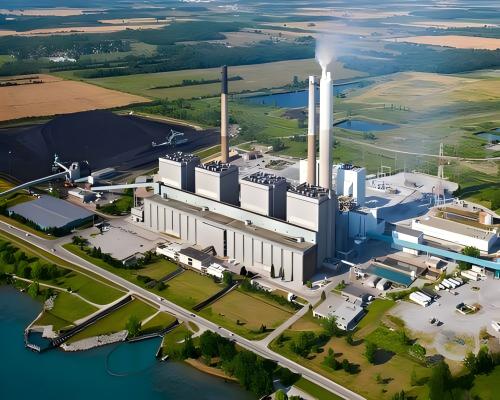
hubei yihua group limited liability company strengthens safety production and environmental management

 Anyone living near a large chemical producer like Hubei Yihua Group probably knows the uneasy feeling that comes with it—just ask the residents who drive past the factory gates every day. For decades, this company has powered job growth and supported local economies in central China. At the same time, people know what’s at stake if something goes wrong. Environmental stories out of similar industrial hubs have shown what lax oversight and cut corners can mean, from chemical leaks to tragic explosions. I remember reading about the Tianjin port disaster and thinking about just how quickly everyday routines can turn upside down. Safety isn’t some distant goal; for folks nearby, it’s a daily part of life.  Toughening up safety production isn’t about public relations or ticking off boxes for inspectors. It hits home when you talk to workers on a shift change, or hear about improved protections in their stories. At companies like Hubei Yihua, focusing on things like equipment maintenance, chemical storage, and updated emergency drills doesn’t just boost confidence on paper—it means management recognizes the people behind the numbers. Industrial operations rely on simple truths: pipes can wear out, sensors can fail, and bad luck rarely gives second chances. Investing in modern detection systems, predictive maintenance, and better employee training isn’t optional in this line of work. Regular inspections aren’t enough if the culture doesn’t encourage speaking up when problems crop up.  No matter how efficient or modern a chemical plant becomes, waste is a stubborn reality. From wastewater filled with chemical residues to dust and gas emissions, the challenge for Hubei Yihua goes beyond the factory gate. Local water supplies and farmland feel the impact when standards slip. Some local families depend on these waters for growing crops or supporting small businesses—a single mishap can mean years of setbacks. Over the past decade, more companies in China have installed advanced wastewater treatment and invested in closed-loop systems to lower risks. These investments require serious commitment, but memories of major pollution incidents show the cost of getting it wrong far outweighs the temporary savings from cutting corners. Investing in cleaner technology is one thing, but it only matters if managers use it right, review it often, and include community voices in the conversation. Regular data sharing with residents and local governments shows whether the promise of environmental stewardship is more than talk.  Regulators have cracked down on violations more often, especially in high-profile sectors like chemicals and fertilizers. Government inspections keep up pressure, but real change depends on what happens between visits. Public trust grows when companies open up—not just to inspectors but to workers and neighbors, too. Communities who can check air and water reports, and employees with channels to share safety concerns, keep everyone honest. The social value of a business jumps when people feel heard, rather than brushed aside after a spill or leak. Some of the best improvements have come from public-private partnerships, including community advisory boards and outside audits. In short, strong safety and environmental management need more eyes, open dialogue, and a willingness to fix mistakes fast. Technology helps, but trust comes from accountability, not shiny new sensors or promises in reports.  Tough policies and big investments only matter if they become habit. Watching companies move from slogans to action takes time. I’ve met workers who quietly check a valve twice instead of once, or who refuse to rush when handling chemicals even if production targets loom. Their stories don’t make headlines, but they show the real backbone of a responsible plant. For Hubei Yihua Group, keeping these habits alive means promoting a culture that values alertness, rewards honesty, and learns from mistakes. Leadership sets the tone, but long-term success rests on the small, repeated choices made every day. Sustaining this culture requires regular safety training, support for whistleblowers, and a steady commitment to transparency.  The future for Hubei Yihua, and any company sitting at the crossroads of industry and environment, depends on honesty, persistence, and practical investments. Real improvements in safety and environmental management strengthen not just the bottom line, but the health and confidence of entire communities. Stronger policies can keep accidents in check, but the best results appear when companies own their responsibilities—listening to workers and neighbors, updating systems before tragedy strikes, and treating environmental protection as a shared priority. It is a long journey, but one worth making for everyone on both sides of the factory fence. Mobile: +8615365186327E-mail: sales3@boxa-chem.comWebsite: www.yihua-chemical.com
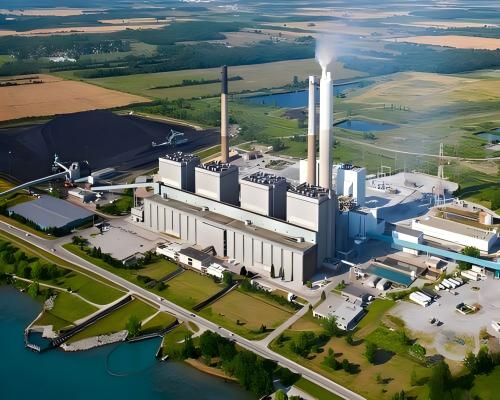
hubei yihua chemical industry expands product lines to meet market demands

 Market pressures push companies to evolve. The chemical industry in China has always kept pace with demand, and Hubei Yihua shows it wants to hold its ground by expanding its product lines. This kind of shift speaks to more than just profits; it reflects a company’s ability to sense what customers need and move resources in that direction. Operations of this size carry weight in their communities and in the economy. In my years following China’s industrial sector, I’ve watched midsize companies stuck in old routines disappear. Survival comes by reading signals early, like when certain fertilizers lose their edge, or regulations put old processes under a microscope. Today, end users want new blends, low-impact manufacturing, and smarter distribution—and a business that listens taps into that change rather than fighting it.  Factories in Hubei province do more than churn out raw materials; they drive local employment and feed networks of suppliers up and down the value chain. Expanding product lines isn’t just a management talking point. It means new jobs at all skill levels and a broader local tax base. Seen up close, plant expansion brings shops, logistics outfits, and service businesses into the game. Families rely on steady operations, while schools train new workers with skills matched to demand. Years ago, I visited a fertilizer plant and saw how a shift in output didn’t just mean new machines; it gave hope to a town facing outmigration. So when Yihua adds capacity and works with new materials, thousands of people feel that ripple beyond the factory walls.  There’s no ignoring stories of chemical plant disasters or environmental fines in the press. Growth without responsibility hurts everyone. Companies that expand recklessly find themselves facing angry neighbors and heavy regulation. Years back, China’s push against pollution forced many producers to either clean up or get out. So it matters when a firm invests in better technology, emissions controls, and worker safety. The right kind of expansion uses catalysts and closed-loop systems to lower runoff, limits energy waste, and supports training so staff handle chemicals safely. Responsible manufacturing needs as much attention as making the next sale. It’s good business, even if it costs more up front. That focus on stewardship shouldn’t disappear just because market demand looks hot.  Farmers and manufacturers don’t always want the same thing year after year. People I’ve spoken with in the field ask for fertilizers that suit local crops, conditions, and climate shifts, or chemical products that match their changing output. Hubei Yihua’s growth carries the expectation that it isn’t just making more of the same, but is responding with products tuned to what people actually use. Companies that bother to work with farmers, trial new blends, or tweak industrial product formulas based on user feedback set themselves apart. This approach supports both the big buyers and the small-scale users; either can move their operations forward if they trust the supply chain isn’t going to leave them hanging, or damage the soil and water that everyone depends on.  Chinese chemical producers don’t work in isolation. Markets shift fast—energy prices swing, competition from Southeast Asia tightens, trade rules change overnight. In my experience, local producers who invest in new products weather these storms better because they can switch gears, target new markets, or handle raw material substitutions. Global customers expect reliable delivery, consistent quality, and basic transparency about what’s in a product. This raises the bar for companies like Hubei Yihua. Building trust isn’t a one-off campaign; it takes ongoing investment in quality control and openness about risks. Firms that keep these values at the core of expansion draw less suspicion, court fewer regulatory headaches, and keep clients coming back.  Growth brings risks and rewards. Chemical manufacturers who take shortcuts or spurn local voices get burned in the long run, but those who pair expansion with better environmental controls, modern logistics, and open communication find a steadier path forward. Stronger partnerships with farmers, researchers, and downstream users create ecosystems where innovation flows both ways. I’ve seen partnerships between universities and factories yield smarter products and cleaner processes. Investment in employee training closes the skill gap and cuts down on accidents. Investment in monitoring systems, not just for production but for emissions and waste handling, gives everyone a clearer look at impact. Companies can work with independent auditors to show that their processes meet not just government rules, but community expectations. Addressing safety and sustainability upfront lowers the odds of catastrophe and gives employees something to be proud of. Over time, this reputation opens new doors and keeps value flowing for everyone involved.  Expansion often looks great to investors and management. Long-term success, though, asks more of those steering the ship. Focusing only on numbers can backfire if community support and environmental stewardship fall out of the conversation. I believe that when people at every level—factory workers, customers, scientists, and leaders—have a voice in the process, companies like Hubei Yihua do more than deliver products. They set standards for resilience and trust in a sector that too often chases growth and forgets its roots. In the years ahead, the chemical industry will face tougher questions about health, resource use, and climate risks. Companies willing to put in the work and listen closely will find those challenges bring out the best in everyone. Mobile: +8615365186327E-mail: sales3@boxa-chem.comWebsite: www.yihua-chemical.com

hubei yihua chemical industry co ltd obtains multiple international certifications

 Watching a company land several international certifications grabs my attention, because it's not just about ink on paper or plaques for the lobby. Hubei Yihua Chemical Industry Co Ltd's recent achievements point to a larger picture unfolding in China's vast industrial landscape. Getting certified—whether we're talking ISO 9001 for quality management or ISO 14001 for environmental standards—means a company held itself up to a magnifying glass. Nobody hands out these honors for filling out a form. Auditors dig into the day-to-day, quiz managers, check records, and follow the process from raw material to final shipment. In my own time working alongside quality teams, I’ve seen how a single non-conforming batch or a skipped safety step can crash a whole audit. So, when news breaks about Hubei Yihua securing multiple international certifications, people shouldn’t brush it off as a box-ticking exercise. This signals sweat, investment, and a certain amount of pride among employees who know their work meets global expectations.  China’s chemical sector churns out massive volumes, feeding everything from crop nutrients to plastics. Historically, criticism painted this industry as rough around the edges, especially on safety and pollution. Stories still crop up—explosions, spills, communities worried about the river downstream. International certifications don’t erase the past, but they build a foundation for trust. When a Chinese plant meets the same criteria as plants in Germany or the U.S., it helps shrink those gaps in perception and reality. Multinationals and even small foreign buyers often won’t even entertain deals without certification proof. That makes these stamps of approval not just impressive—they’re a ticket for Hubei Yihua to stay competitive, court business worldwide, and show international clients they plan to maintain strict standards.  No company runs in a vacuum, least of all in chemical manufacturing. Families live close to factories, and employees head home after their shift to neighborhoods that have long memories. Environmental management standards, audited through international certifications, aren’t just corporate PR—they affect how neighbors view the company over the long term. Having watched public hearings and community outreach efforts, it becomes clear that a certificate alone rarely calms worries. But it does offer concrete proof that systems are in place to catch problems before they spiral. Employees trained to lock down waste streams or double-check emissions feel less like cogs and more like guardians. Often, that sense of collective responsibility can ripple further than any regulation can demand. Whenever a plant earns—and keeps up with—certifications, it lays the groundwork for a better relationship with the people living nearby. Trust grows, albeit slowly, each time a company opens doors to third-party examiners and takes feedback seriously.  Let’s be realistic: certifications eat up capital and don’t always translate into short-term profits. Management must carve out time and resources to build documentation, train teams, and—this is the tough part—change old habits that might cut corners. But the upside shows up in unexpected places. Insurance companies offer better terms to companies with proven safety systems. Banking partners see less risk. Big-brand clients look for suppliers that prove they know how to reduce recalls, downtime from accidents, and regulatory fines. Inside a certified factory, processes become smoother and problems get flagged faster. Even the supply chain tightens up, since vendors need to rise to meet the same standards. For Hubei Yihua, this adds a layer of resilience, since disruptions hurt less when you’ve mapped out risks and have systems to handle them.  Certifications alone won’t solve every problem or erase years of industry skepticism overnight. Auditors catch what’s on the books, but bad habits might slip through, especially once the spotlight moves on. I’ve seen plenty of places pass an audit and then backslide. Maintaining momentum takes leadership. Workers need a voice; they’re often the first to notice shortcuts or near-misses. Open reporting, regular training, and making safety bonuses count more than just output figures help lock in the gains. Public transparency moves the needle further. Publishing audit results, inviting local stakeholders into the conversation, and investing in remediation when missteps do happen show a company is in it for the long haul, beyond certificates for certificates’ sake.  Chemical manufacturing keeps global supply chains moving. Whether in agriculture, construction, or consumer goods, these products shape lives and economies. When a heavyweight like Hubei Yihua steps up to meet global standards, it sets an example for competitors and newcomers. International buyers and investors now have another reason to put faith—and money—into Chinese suppliers who do the hard work of raising the bar. As more companies achieve certification, the broader industry shifts, inching toward safer, greener, and frankly, smarter way of working. That momentum could make a difference not just for balance sheets, but for people and the environment across continents. Real progress happens when companies keep raising expectations—not because they have to, but because they see the benefit all around them. Mobile: +8615365186327E-mail: sales3@boxa-chem.comWebsite: www.yihua-chemical.com
